
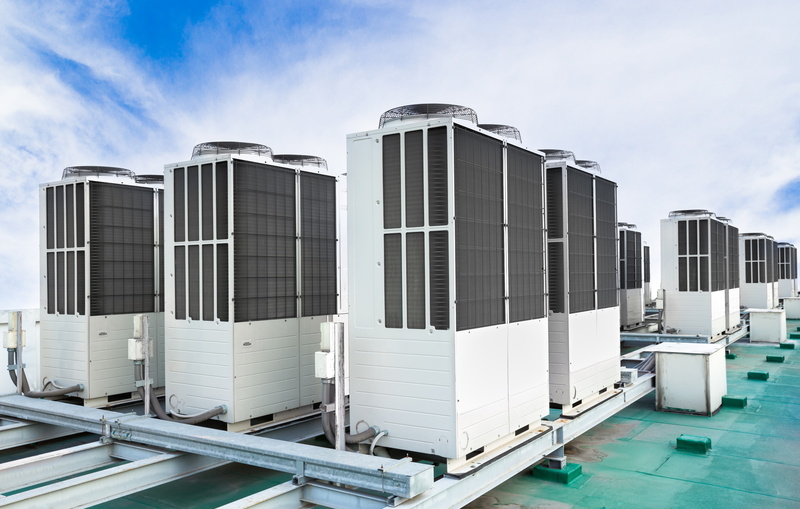
When it comes to the installation of commercial air conditioning for your facility, you don’t want anyone but the best professionals to handle the job. Our team has decades of experience installing air conditioning systems for a wide range of companies and buildings, and we never take shortcuts—we know there are no shortcuts when it comes to quality work, especially when businesses need to work with the right commercial AC contractor.
Why Is Professional Sizing Important for Heating and Air Conditioning Installation?
Professional sizing ensures a heating and air conditioning installation system is matched to a building’s specific square footage, occupancy, insulation levels, and operational demands. Proper sizing improves energy efficiency, maintains consistent indoor comfort, reduces equipment wear, and helps prevent costly repairs or premature system replacement.
One of the most important steps for proper commercial air conditioning installation is sizing the new unit. We’ll explain what this process is and why ensuring it’s done correctly is critical for a commercial HVAC system to operate effectively and efficiently.
Sizing Refers to the Cooling Capacity of an AC
When commercial HVAC technicians talk about sizing an air conditioner, they aren’t talking about how physically large the unit is. Size is the cooling capacity of the unit, and how much cooling power it can supply by removing heat from the air and sending the cooled air into the building’s ventilation system.
The capacity of an air conditioning system is measured in units called tons. Again, this has no connection to how much the AC unit weighs. One ton of cooling capacity is equal to 12,000 BTUs of heat removed per hour. The reason this amount of heat removed is referred to as a ton is because it’s the amount of heat necessary to melt one ton of ice over 24 hours.
Residential homes have air conditioning systems from 5 to 10 tons. Up to 25 tons is considered light commercial, and anything over that is heavy commercial or industrial. Facilities may require several hundred tons of cooling capacity, which installers can supply with multiple modular AC units. So sizing isn’t just finding the right size of individual air conditioner, it can be finding the number of air conditioning units necessary to meet the tonnage requirement of the space, including when evaluating rooftop HVAC installation for commercial spaces.
What Happens When Sizing Is Done Incorrectly
You can probably grasp why an undersized commercial AC system is a serious problem. If the cooling capacity of the system cannot match the demand of the facility, not only will the facility be too warm, but the air conditioner will run almost continuously trying to meet demands it cannot meet.
But what’s wrong with a system that’s too big? Isn’t it better to err on the side of too much? Not in this case! An oversized commercial air conditioning system will run into the problem of short-cycling: it will lower the indoor temperature so rapidly that the thermostats will incorrectly register that the AC is finished and shut it off early. The AC will come right back on and repeat the process. This puts a huge strain on the air conditioner and rapidly runs up bills, which is why it’s important to plan ahead for rooftop unit replacements. The air conditioning system will likely fail years too early because of the excess stress from short cycling.
Leave Your Commercial AC Needs to Us
Our service for commercial air conditioning in Northbrook, IL will see that you get the correct size and type of air conditioning system for your facility, no matter what type it is.
Frequently Asked Questions
Question: Why is professional sizing important for a commercial AC installation?
Answer: Professional sizing ensures a commercial air conditioning system matches the building’s cooling requirements. An accurately sized system can improve energy efficiency, maintain consistent indoor temperatures, reduce unnecessary wear on equipment, and help businesses avoid higher operating costs caused by performance issues.
Question: What problems can occur if a commercial AC system is oversized?
Answer: An oversized commercial AC system may cycle on and off too frequently, leading to uneven temperatures, increased energy consumption, and unnecessary strain on components. Short cycling can also reduce system lifespan and create comfort issues for building occupants throughout the year.
Question: What happens when a commercial air conditioning system is undersized?
Answer: An undersized system may struggle to maintain comfortable indoor temperatures during periods of high demand. This can result in continuous operation, increased energy costs, excessive equipment wear, and reduced comfort for employees, customers, or tenants within the facility.
Question: How do HVAC professionals determine the correct size for a commercial AC system?
Answer: HVAC professionals evaluate several factors, including building size, occupancy levels, insulation, window placement, equipment heat loads, and local climate conditions. These calculations help determine the appropriate system capacity needed to deliver reliable performance and long-term efficiency.
Question: Can proper AC sizing reduce long-term operating costs for businesses?
Answer: Yes. A properly sized commercial AC system operates more efficiently, helping to lower energy consumption and reduce maintenance needs. By avoiding the issues associated with oversized or undersized equipment, businesses can improve system reliability and achieve better long-term value from their investment.
Contact Althoff Industries, Inc. today. Challenges Accepted!