
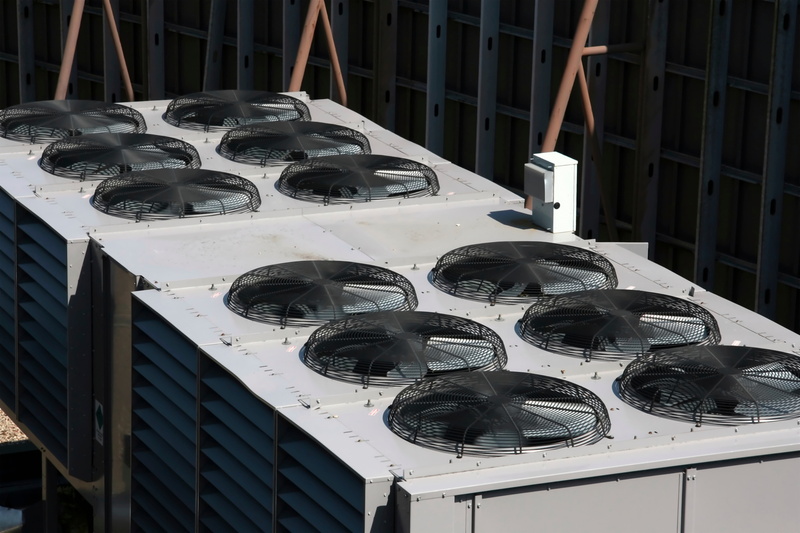
Packaged rooftop HVAC units are the basis of most heating and cooling systems in commercial buildings, from small businesses to major high-rises. Handling the installation and replacement of rooftop units in Chicago, IL is a big part of what we do, and we want to make sure that our customers receive the best service possible.
However, there are ongoing disruptions in the global supply chain that have created difficulties for contractors to maintain current supplies of important equipment such as commercial/industrial rooftop units. Although the COVID-19 pandemic has waned in the US, it’s still prevalent in many other countries that are part of the supply chain. The recent Russian invasion of Ukraine and the continuing war in Eastern Europe has further worsened the supply chain issue.
The upshot of all this is that we’re currently experiencing a delay with installations for rooftop units. The delay for installing these units can be from 12 to 30 weeks. We’ll do all we can to accommodate our customers, but we recommend that businesses plan ahead and assess their needs on a longer timeline.
When Should Businesses Plan a Heating and Air Conditioning Installation or Replacement?
Businesses should plan a heating and air conditioning installation or replacement well before equipment failure occurs. Early planning allows time for system design, budgeting, equipment selection, and scheduling, helping minimize operational disruptions while ensuring the new system delivers reliable performance, energy efficiency, and long-term cost savings.
When Will You Need Rooftop Units Installed?
We often talk to clients about how to tell they have failing HVAC systems so they can have them quickly replaced. Right now, it’s best to evaluate the longer-term performance of your rooftop units to anticipate whether you’ll want to replace them in 12 to 30 weeks, and this means looking forward to considerations about colder weather in fall, including whether your rooftop units can manage winter snow.
We also recommend you think about possible business expansions and opening up new locations. If this is on the horizon, plan accordingly for the HVAC needs on a longer timeline. Our technicians and cooling team are happy to help you with this planning, which will not only help you avoid delays in the future, but will see that you have the right type of system for your expansion or new facility to maximize the advantages of rooftop HVAC installation.
What About Repairs and Maintenance?
The supply chain issues have also affected the ability to obtain some parts that may be necessary for repairs to rooftop units, although it is not as urgent an issue. The larger the repair, the more likely there will be an equipment delay. We advise that you move fast to contact us for repair needs when you notice potential problems with your rooftop HVAC units. Frequent repairs and rising energy bills are two common signs that an air conditioner may be losing efficiency and nearing replacement. The earlier we catch problems, the easier they’ll be to fix with the parts and supplies we have on hand.
Please schedule maintenance for the coming season as soon as you can, especially as you plan for changing seasons, January cold snaps, and colder outdoor temperatures that can affect rooftop unit replacement timing. Maintenance is also the time for attentive care, when our technicians will often spot potential repair problems as well as detect if a rooftop unit is starting to decline; most AC units last about 10–15 years, and frequent repairs are a clear sign replacement may be the better option. Proper heating and air installation helps maximize system lifespan, support indoor comfort, control humidity, and protect equipment warranties. You can also learn more about whether a single room, multi-zone, or whole-building solution makes sense for your property and budget, with flexible financing options available when needed. Maintenance is essential for your future planning and comfort throughout the year, so it’s more important now than ever. Our professional experts help with that planning for commercial and residential properties, including Chicago IL service, and our technicians help businesses across Chicagoland plan for the right system at the right time while ensuring your heating, cooling, furnace, and cooling systems equipment is the right fit for the facility today and helping you save money. HVAC installations require Manual J load calculations to size equipment to the property’s specific needs, and itemized bids clarify the scope of work and equipment being installed. Local HVAC contractors must pull mechanical permits with the City of West Chicago, and permitting helps ensure compliance with safety and energy codes.
We’re Here to Serve You
Our motto is “Challenges Accepted!”, and our company is ready to provide the best possible service to our clients, including help with urgent HVAC problems and 24/7 emergency services when needed. As a professional company, we’re proud to serve customers across the area in IL with reliable heating and cooling solutions through all four seasons for every commercial property and home. You can rely on us to help you through whatever work your commercial or industrial facility needs, and a technician can walk you through options, service all furnace and AC makes and models, and keep the process clearly explained. If you’re unsure whether repair or replacement is the better fit, we can help you understand when each makes sense for your system. Most AC installation job timelines are typically less than a day, depending on scope, and we can set an appointment that fits your schedule. With some extra planning and close work with our team, you’ll make it through the challenges ahead with greater peace, and our NATE certified technicians work efficiently from start to finish. Clear work areas also help support efficient HVAC installation. Bonded and insured HVAC work helps protect the property and personnel involved. We keep installation work with trained in-house professionals instead of subcontractors for better training and accountability, so when we install replacement equipment, your family can feel confident recommending us to friends as a trusted HVAC company. Our service has been recognized for dependable results over more than a decade, helping customers stay comfortable through winter and summer so they can rest easier.
Frequent repairs and rising energy bills are two common signs that replacement may be the better long-term choice, especially when it can improve cooling, indoor comfort, humidity control, and save money over time. Today’s higher-efficiency equipment can reduce overall energy consumption, with high AFUE ratings showing stronger furnace performance and high SEER2 ratings showing better cooling efficiency. Proper load calculations help size equipment correctly for the space. Oversized HVAC units may not dehumidify well in humid conditions, while undersized systems can face early failure during freezing weather. Central air conditioning systems control indoor climate from a single panel and often have lower upfront costs when ductwork is already in place. Mini-split systems can cool different zones independently, work for one room or an entire home, and are often more energy efficient than central ACs. Labor warranties cover installers’ workmanship. Our experts can plan the job carefully, tailor recommendations to your budget, and discuss flexible financing options. Technicians who handle refrigerants must hold EPA Section 608 Certification.
Frequently Asked Questions
Question: Why should businesses plan rooftop HVAC installations and replacements in advance?
Answer: Planning ahead helps businesses avoid delays that can affect comfort, operations, and future growth. Supply chain disruptions and equipment availability issues can extend project timelines, making it important to assess HVAC needs early and schedule installations or replacements before they become urgent.
Question: How far in advance should a commercial rooftop unit replacement be scheduled?
Answer: The ideal timeline depends on equipment availability, project complexity, and business requirements. Companies should evaluate the condition and expected lifespan of existing rooftop units well before failure occurs, allowing sufficient time to select equipment, coordinate installation, and avoid unexpected operational disruptions.
Question: What signs indicate a rooftop HVAC unit may need replacement soon?
Answer: Common warning signs include declining performance, rising energy costs, frequent repair needs, uneven heating or cooling, and aging equipment. Monitoring these issues early allows businesses to make informed replacement decisions and avoid emergency situations that can impact productivity and occupant comfort.
Question: How does regular maintenance support rooftop HVAC replacement planning?
Answer: Routine maintenance helps identify developing problems before they become major failures. During inspections, technicians can assess equipment condition, recommend repairs, estimate remaining service life, and help businesses prepare for future replacements, making long-term HVAC planning more accurate and cost-effective.
Question: Should businesses consider future expansion when planning rooftop HVAC installations?
Answer: Yes. Companies that anticipate growth, facility additions, or new locations should evaluate future heating and cooling requirements during the planning process. Taking expansion into account helps ensure the selected rooftop HVAC system can support changing operational needs and reduce the likelihood of costly upgrades later.
Schedule ahead of time for your rooftop unit needs with Althoff Industries, Inc. Challenges Accepted!