
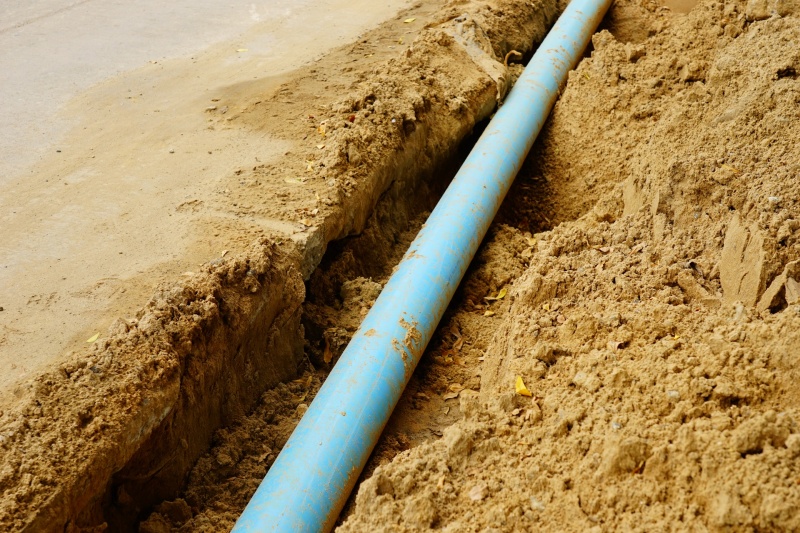
When it comes to the plumbing in your commercial facility, you’ll sometimes have to face the question of what to do about deteriorating pipes. There are two basic options: have the pipe completely replaced or arrange for pipe lining to repair the pipe from the inside.
Pipe lining technology has advanced significantly, making it an option in more situations than before. But sometimes it’s better to have a replacement. Making the right decision about “repair vs. replace” can save you plenty of time and money in the long run—both valuable commodities for your business.
At Althoff, we understand the importance of this decision, and we offer both pipe lining and pipe replacement in Elgin, IL and throughout Chicagoland. Below we’ll look at several of the factors that will affect whether you need us to reline your aging pipes or replace them.
When should a commercial pipe be lined instead of replaced?
- The pipe is deteriorating but still structurally sound
- Lower upfront cost is a priority
- You want to avoid opening walls, floors, or other infrastructure
- Business downtime and disruption need to be minimized
- Preserving finishes and property appearance matters
- Reducing material waste is part of your sustainability goals
Pipe lining is often the better option when the existing pipe can still be rehabilitated from the inside. If the damage is too severe or the pipe can no longer provide a reliable long-term solution, replacement may be the better choice.
1. Pipe Condition
First, assess the condition of your pipes and how badly they’ve deteriorated. Age plays an important role in this, and different pipe materials corrode and age at different rates. (For example, copper corrodes slower than steel, but the presence of chemicals in the water may speed this up.) We’ll help you with this evaluation to decide if it’s better to put in a new pipe or reline it.
2. Cost Considerations
Cost is always a consideration when it comes to your business. Replacing a pipe is usually the more expensive of the two jobs, but you need to consider the difference between immediate costs and long-term costs. Pipe lining may sound more attractive because of the lower price, but it may not offer a long enough solution compared to a replacement. Our team will help you balance cost considerations so you can make an informed decision.
3. Preserving Infrastructure
One of the big benefits of pipe lining technology is that it approaches the pipe from the sides and doesn’t require accessing it directly. I.e. you don’t need to have part of the infrastructure of your facility moved and parts broken apart so our plumbers can reach the affected pipe. If pipe replacement would be too disruptive to your business, requiring some level of downtime and interruptions to operations, then going with a minimally invasive procedure like pipe lining may be the better choice.
4. Aesthetics and Property Preservation
Does your business have high-end finishes, like beautiful imported Italian marble or tiles from Morocco? Then you definitely don’t want to have those torn up in order to reach a damaged pipe for replacement. This is another situation where pipe lining is immensely helpful: it won’t bother any of the valuable aesthetics of your property and it will keep everything looking beautiful.
5. Environmental Impact
Finally, you’ll want to think about the environmental impact of “replace vs. reline.” If your business is focused on sustainability, disposal of old pipes might not fit with your goals. Pipe lining is generally a more eco-friendly option because our team will rehabilitate your existing pipes without having to replace them.
No matter if you decide on pipe replacement or relining, we’ll do a thorough job that will ensure you have the working plumbing system your business needs to thrive.
Frequently Asked Questions
Question: How do I know whether a commercial pipe should be lined or replaced?
Answer: The decision usually comes down to pipe condition, age, material, and how far the damage has progressed. If the pipe is still structurally sound, lining may be a practical repair option. If deterioration is severe or the pipe may not hold up long term, replacement is often the better choice.
Question: What is pipe lining in a commercial plumbing system?
Answer: Pipe lining is a repair method that restores a damaged pipe from the inside instead of removing and replacing it. It is often chosen when businesses want a less invasive solution that avoids opening walls, floors, or other building areas. This can help reduce disruption while extending pipe usability.
Question: Is pipe lining cheaper than full pipe replacement?
Answer: Pipe lining is often less expensive upfront because it usually requires less demolition, labor, and rebuilding around the affected area. However, cost should be weighed against long term value. In some cases, replacement may be more expensive initially but provide a longer-lasting solution for heavily deteriorated piping.
Question: When is pipe lining a better option than pipe replacement?
Answer: Pipe lining can be the better option when preserving infrastructure matters, especially in occupied commercial spaces where downtime needs to be limited. It is also useful when a business wants to protect finished surfaces such as tile, stone, or specialty materials. In these cases, minimal disruption can be a major advantage.
Question: Is pipe lining more environmentally friendly than replacing pipes?
Answer: Pipe lining is often seen as the more environmentally friendly option because it rehabilitates the existing pipe instead of removing and discarding old materials. For businesses focused on sustainability, that can be appealing. It may also reduce construction waste and the amount of restoration work needed after plumbing repairs.
Contact Althoff Industries, Inc. today. Challenges Accepted!